
What Is SEO?
SEO (Search Engine Optimization) is the digital architecture that makes your brand visible in the search results of Google, Bing, and other search engines — and by 2026, that’s gained another dimension: visibility inside AI assistants like ChatGPT, Gemini, and Perplexity.
The thing is, this isn’t just “keyword tweaking” — it’s a strategically planned process that helps algorithms (and now AI models too) understand the value of your business and show it to a customer exactly when they need your service.
Building a website is only the starting point; planning and executing SEO on top of it is what gets you sustainable, high-quality organic traffic that actually converts into revenue.
Why Does SEO Matter?
Imagine you own an electronics store stocked with a great range of products, but it’s tucked away in a dark, abandoned alley nobody walks down. That’s exactly what a website without search engine optimization looks like.
It doesn’t matter how innovative your product is — if the market can’t find you, your business is effectively invisible. SEO is the force that pulls your digital storefront out of that alley and onto the busiest avenue in town. In Georgia’s reality specifically, a lot of companies still haven’t grasped that the first page of Google — and now the AI Overview box above it — is the best advertising real estate there is.
SEO as an Investment, Not an Expense
- Traffic share: ranking #1 on Google captures roughly 33% of search traffic. Dropping to position two cuts that share down to about 18%.
- Higher conversion: visitors who arrive through organic search convert at a rate about 62% higher than those from paid ads.
- Trust and authority: people subconsciously trust top organic results. Ranking highly signals you’re an industry leader, not just another advertiser.
Did you know? Unlike paid ads (PPC), where traffic stops the moment you stop paying, solid SEO infrastructure is a digital asset that keeps working for you 24/7.
The Three Pillars of SEO Authority
Successful optimization rests on three disciplines. If one pillar is weak, the whole structure gives way — a familiar story.
1. On-Page SEO (Relevance)
This is what the visitor actually sees. Your goal is to prove to Google that you have the best answer to the user’s question.
- Search intent: tools like Semrush, GSC, and Ahrefs help you understand what the searcher actually wants.
- Content depth: building content that fully answers the visitor’s interest, not just skims it.
- Meta engineering: writing titles and meta descriptions that work as natural click triggers.
2. Off-Page SEO (Authority)
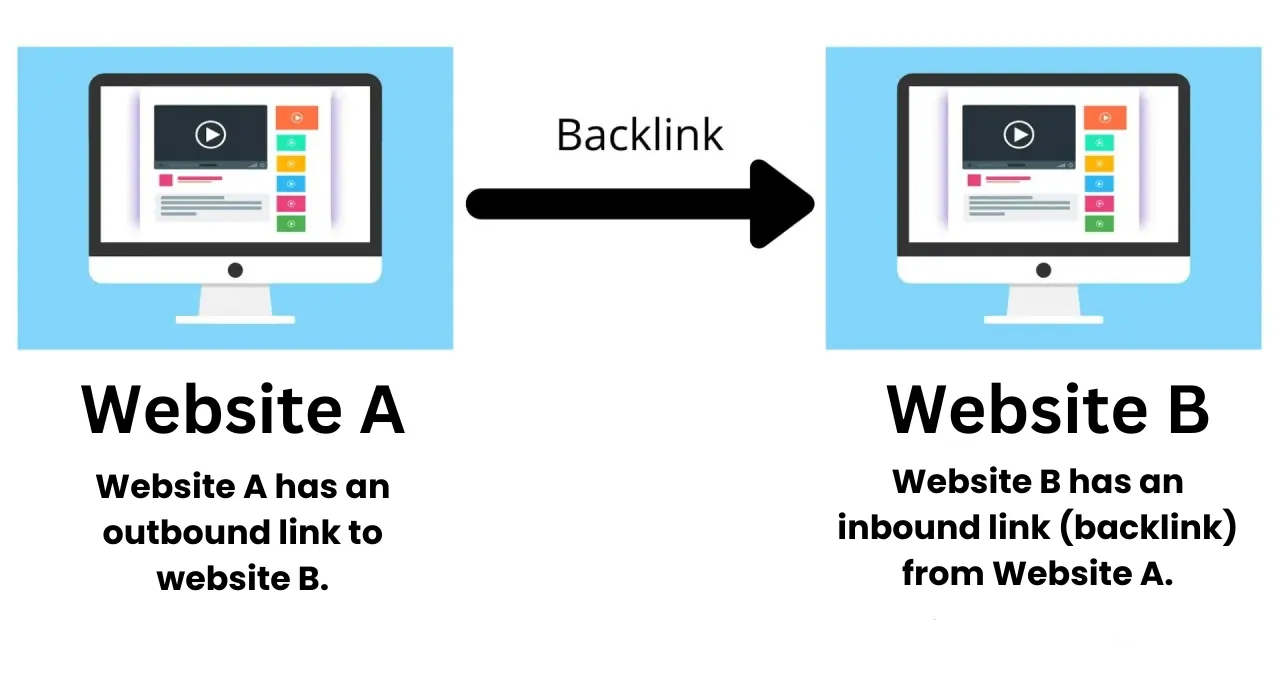
Google judges your reputation partly by who’s vouching for you. Links from reputable domains (backlinks) act as a “trust mandate.” The more quality votes you have, the higher your domain authority (DA).
3. Technical SEO (Health)
You can’t build a skyscraper on a cracked foundation. Fact. Google won’t rank a site it struggles to crawl. This is where hosting specifics matter most — a slow server response is often what quietly caps a site’s growth.
- Core Web Vitals: speed (LCP) and visual stability (CLS) are critical ranking factors.
- Mobile-first: since over 65% of traffic comes from mobile, your site needs to work flawlessly on smartphones.
- Crawlability: a properly configured sitemap and robots.txt file for search bots.
GEO: SEO’s Fourth Pillar in 2026
The three classic pillars have gained a fourth in recent years: GEO (Generative Engine Optimization) — visibility inside AI chatbot answers. More and more people are looking for a product or service not in a list of Google links, but directly in a ChatGPT, Gemini, or Perplexity response.
That means whether your brand gets mentioned — or doesn’t — in an AI’s answer has a direct impact on whether the customer ever reaches you. GEO technically relies on the same foundation as classic SEO — structured data (schema), clear factual content, authoritative backlinks — but on top of that, it requires ongoing monitoring of what AI models are actually saying when someone asks them about your industry.
Design and User Experience (UX)
SEO and UX are inseparable today. Responsive design makes sure your site adapts to any device. Google penalizes sites that deliver a poor user experience. Here’s the thing: if a site takes more than 3 seconds to load, most visitors leave — and honestly, we’ve all done exactly that.
What Does Professional SEO Cost in 2026?
Pricing depends on competition level and your goals. SEO is a long-term strategy — anywhere from a one-time check to ongoing organic growth. Here’s the updated lineup:
Free Express Check
Free
A 10-point automated scan: speed, indexing status, title/description, mobile adaptation, SSL status. PDF report within 24 hours.
SEO Audit
₾600 (~$220)
One-time — full technical audit, keyword research, competitor analysis, and a prioritized action plan.
AI Visibility Audit
₾450 (~$165)
One-time — 20 real-query tests across ChatGPT/Gemini/Perplexity, brand-mention checks, and competitor analysis in GEO.
SEO Start
₾600/mo (~$220)
Technical SEO support, 2 pages optimized per month, ranking monitoring, and a monthly report.
SEO + GEO Monthly
₾1,000/mo (~$370)
Most popular — keyword strategy, monthly content optimization, link building, and visibility in AI search (GEO).
One-Time Technical Optimization
from ₾1,500 (~$555)
A full technical overhaul of an existing site — on-page optimization, speed, schema markup, Search Console setup.
One-time services (checks, audits) are a good fit for getting started or fixing a specific problem, while the monthly program is built for sustained, long-term growth (3-month minimum commitment). Full package details and exact terms are on the pricing page.
Search engine optimization is a critical factor in online competition, and businesses that ignore it lose customers to competitors who don’t.
Neil Patel:
“SEO is not about getting traffic, it’s about getting the right traffic.”
If you have questions or need more information, leave a comment or reach out 💬
Wishing you success in the digital space! 🚀
